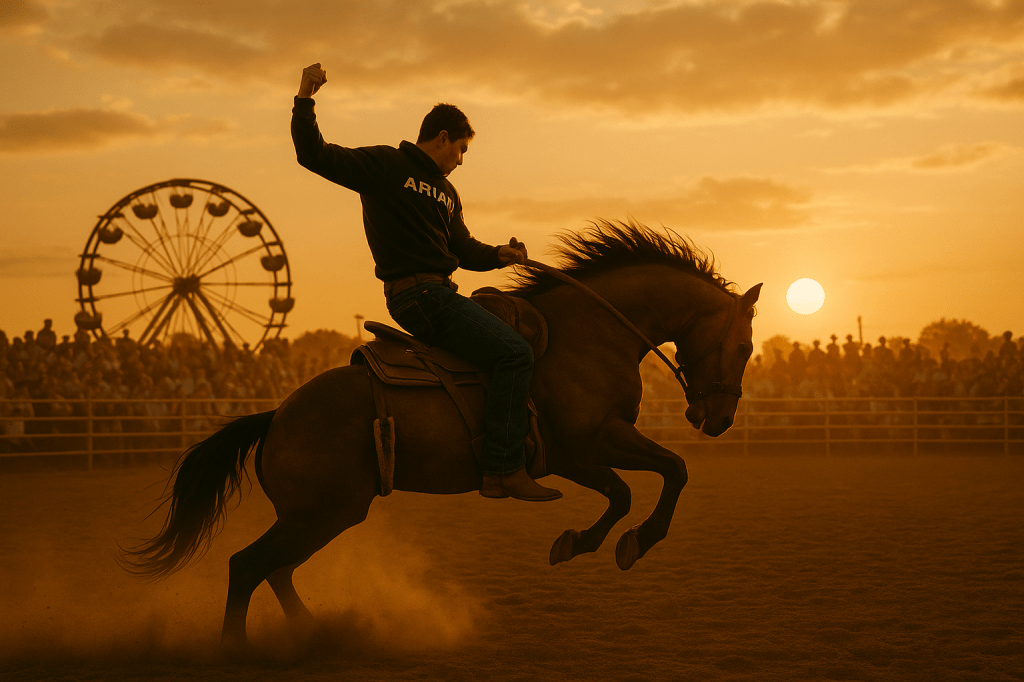
Western sports have a distinct culture—rooted in tradition, community, and grit. As rodeo continues to grow in both reach and audience diversity, brands are racing to keep up. Some genuinely connect with fans through thoughtful storytelling and authentic partnerships. Others rely too heavily on outdated stereotypes or surface-level aesthetics, missing what really matters to their target audience.
I decided to explore a few brands that are getting it right, some common mistakes, and what future marketing efforts should consider when entering the Western world!
Getting It Right:
Total Feeds: Niche, But Growing with Purpose
Total Feeds is a great example of a brand that understands the values of the rodeo community—consistency, reliability, and wellness for both humans and animals. With strong partnerships in breakaway roping and team roping circles, they’ve positioned themselves not just as a feed provider but as a supporter of athlete success. Their marketing doesn’t feel performative, but it overall reflects a deep understanding of the sport’s demands and a commitment to those who live it.
Yeti: Blending Utility with Lifestyle
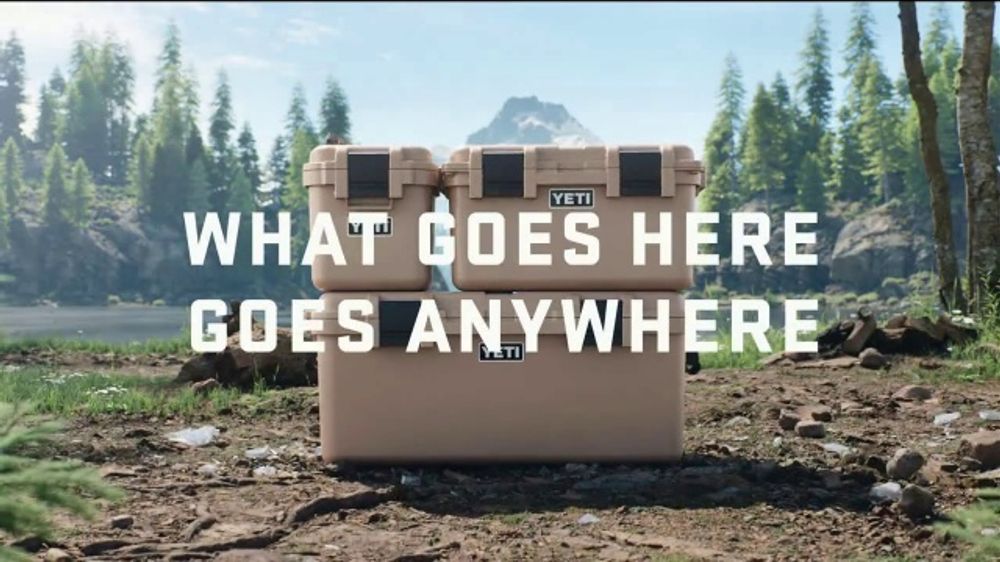
Yeti has successfully entered the rodeo space by aligning with lifestyle rather than leading with product. Their campaigns often feature real ranchers, rodeo competitors, and outdoor enthusiasts who use their gear daily. It’s a subtle but smart strategy—rather than pushing a product, they show how it fits into the Western way of life. Whether through a branded tumbler at NFR or a rider highlight reel, their messaging feels earned, and I am definitely impressed!
Ariat: Blending Performance with Style
Ariat strikes a strong balance between high-performance gear and fashion-forward Western wear. I’ve always enjoyed Ariat and the influencers that the choose to work with. Their marketing is tailored to different rodeo demographics—youth, women, pros—and it feels intentional. Collaborations with top athletes and campaigns centered on innovation and style show they’re not just trying to sell boots—they’re supporting the people who wear them in and out of the arena.

CINCH Jeans: Built for the Arena and the Audience
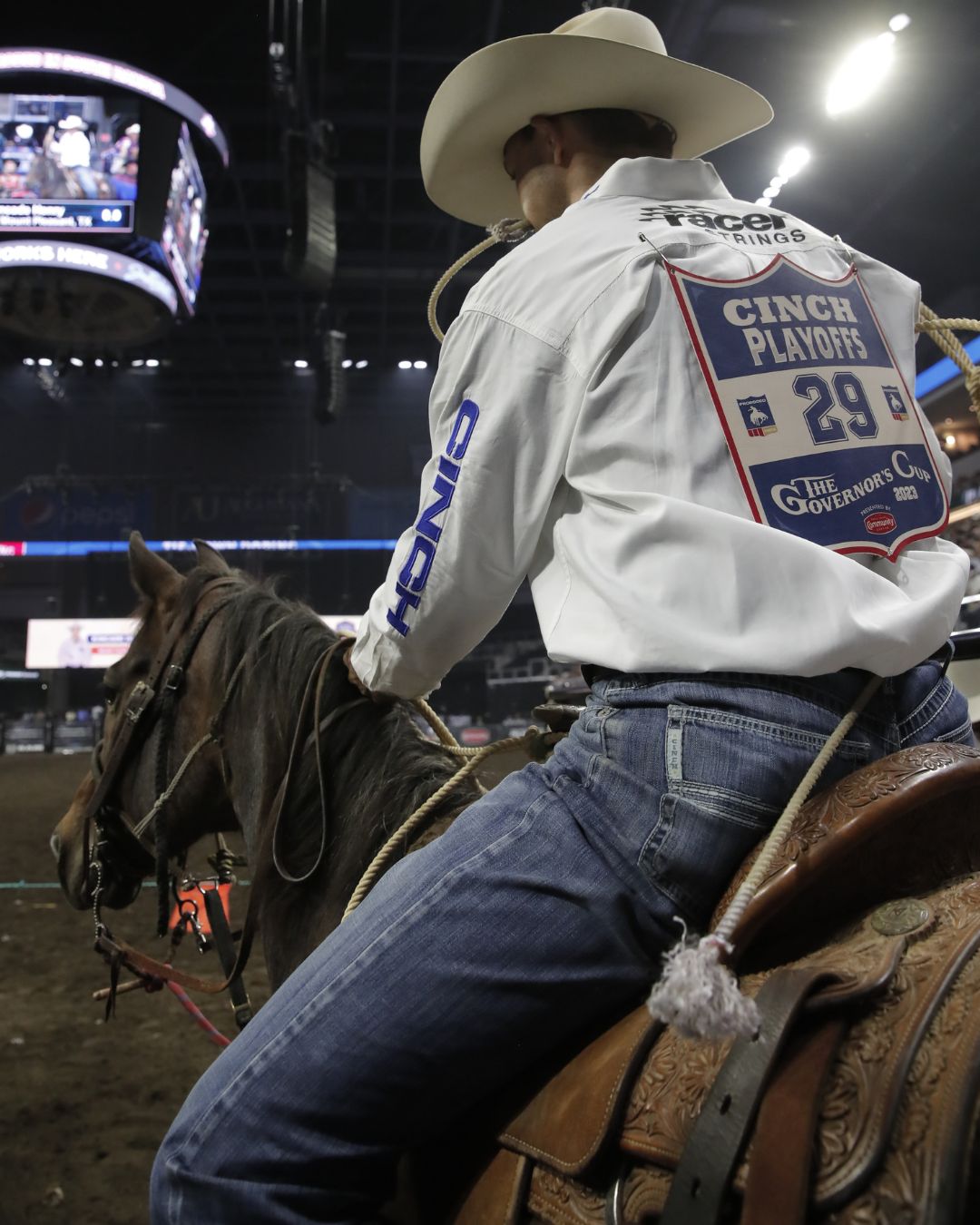
I’ve known that CINCH is a legacy brand in the Western world, but it’s stayed relevant through smart branding and athlete partnerships. I learned a lot about their messaging and how it consistently centers on durability, performance, and authenticity. CINCH sponsors top PRCA athletes and leans into visual storytelling—whether it’s showcasing someone climbing into a chute or walking into a county fair. It is very interesting. Their social content is clean, action-focused, and rooted in real experiences.
Where they really succeed is in keeping their branding consistent across platforms, for example through print ads, website, and social channels all feel like the same voice. It is overall super impactful.
Where Brands Miss the Mark:
Oversimplified Stereotypes
Throughout my research I noticed that throwing a cowboy hat into a photoshoot doesn’t make a campaign authentic. Or necessarily appeal to western audiences. Some brands treat Western marketing like a costume party, like focusing on aesthetics without engaging with the actual community. Rodeo fans and athletes are quick to recognize when something lacks depth or intention.
Strategic Messaging
One thing I’ve really noticed is that not every rodeo fan is the same. What works for someone in Texas might not connect at all with someone in Oregon. For example, a breakaway roper competing at a pro level is probably looking for different content than a high school athlete just getting started. That’s why I think the best marketing in rodeo really understands those differences and speaks to each group in a way that feels personal. As someone who grew up around sports and cares about the stories behind the athletes, I’m always more drawn to content that feels real and relatable.
Key Takeaways: What Works for Western Audiences
- Show real people. The best content comes from the athletes and fans living the lifestyle.
- Think beyond the product. Focus on the values your brand shares with the overall community.
- Embrace tradition, but stay relevant. A respect for heritage doesn’t mean avoiding innovation.
- Segment intentionally. Tailor your message for different audiences including age, gender, discipline.
Final Thoughts
Looking back, I’ve realized how deeply rooted the rodeo community is in loyalty, values, and connection. The brands that truly succeed aren’t just promoting products—they’re showing up, supporting, and respecting the people behind the sport.
What really stuck with me is that the best marketing in this space comes from shared values and real experiences. Learning about these strategies gave me a deeper appreciation for the Western world and what it means to connect with that audience in an authentic way!
 Bailey Heryford
Leave a comment