Tag: marketing

  • Infographic Analysis – Communicating Rodeo’s Story Visually

    As rodeo continues to grow in visibility and audience diversity, the way we present information about the sport matters more than ever. Visual storytelling—through infographics, timelines, maps, and branded graphics—can help make complex data feel accessible and engaging. This week I explored a few infographics focused on PRCA and Western sports to better understand what makes a strong visual communication strategy in this space. These examples stood out not only for their design, but for how they respected the tone and culture of the rodeo world. I was overall impressed and inspired!

    PRCA California Circuit Map

    1. PRCA California Circuit Rodeo Map

    Why It’s Effective:

    • Visual Hierarchy: This map-based infographic organizes rodeo locations using bold pins and regional groupings. The layout guides the viewer’s eye easily across the state, making it intuitive to follow.
    • Color Choices: The soft neutral background lets red pins pop, giving immediate focus to the event sites without overwhelming the viewer. It is very attractive.
    • Typography: The simple, readable fonts help differentiate between headers, subheaders, and small text. This structure allows for quick scanning and a smooth flow.
    • Visual Focus: By centering the image around a single map and keeping text to a minimum, the infographic offers instant understanding for people seeking regional rodeo information.
    • Storytelling Impact: This piece communicates the wide reach of the PRCA in California, reinforcing the idea that rodeo isn’t just a niche sport—it’s actively happening across communities statewide.

    Takeaway:
    This visual taught me how location-based graphics can effectively communicate reach and frequency. It’s a great example of how design can make data more engaging and regionally relevant.

    PRCA Events Overview

    2. PRCA 2024 Events Overview Calendar

    Why It’s Effective:

    • Structured Layout: The calendar-style format creates a natural flow, guiding the reader from month to month while organizing events by category with custom icons and subtle color coding.
    • Color Scheme: A warm Western palette—rusts, browns, dusty reds—grounds the infographic in the culture it represents. It feels authentic and visually cohesive.
    • Typography: Bold headers and minimal body text make each date block easy to digest. The event names and dates are highlighted clearly, encouraging viewers to save or share it as a reference.
    • Balanced Design: Every block of information contains just enough detail. There’s a sense of white space and breathing room, which keeps it from feeling cluttered.
    • Narrative Value: This infographic communicates that rodeo is a year-round sport with a packed schedule. It captures the excitement and consistency of the Western lifestyle.

    Takeaway:
    This calendar approach shows how a consistent design style and simple layout can highlight a lot of information without overwhelming the viewer. It also demonstrates how color and icon use can bring energy and personality to an event-based infographic.

    These examples helped me understand how strong visual communication can elevate storytelling in rodeo. A good infographic doesn’t just present information, it overall makes the audience care about what they’re seeing. Whether it’s showing where events are happening or breaking down seasonal trends, the design should feel like an extension of the sport’s identity. Which is done very well!

    Here are a few key lessons I took away:

    • Clarity is everything: Clean layouts with strong visual flow help viewers understand content without needing a deep background in the subject.
    • Visuals over text: Icons, charts, and maps often speak louder than paragraphs, especially when you’re trying to reach busy or unfamiliar audiences.
    • Design reflects identity: Color palettes, fonts, and imagery should align with the culture of the sport. In rodeo, that might mean earthy tones, bold lines, and a sense of values and tradition.
    • Every detail should serve the story: Whether it’s an event calendar or a map, each visual choice should lead back to the core message like the growth, diversity, and impact of rodeo as a sport and culture.

  • Marketing Rodeo Right: How to Actually Connect with Western Audiences

    Western sports have a distinct culture—rooted in tradition, community, and grit. As rodeo continues to grow in both reach and audience diversity, brands are racing to keep up. Some genuinely connect with fans through thoughtful storytelling and authentic partnerships. Others rely too heavily on outdated stereotypes or surface-level aesthetics, missing what really matters to their target audience.

    I decided to explore a few brands that are getting it right, some common mistakes, and what future marketing efforts should consider when entering the Western world!

    Getting It Right:

    Total Feeds: Niche, But Growing with Purpose
    Total Feeds is a great example of a brand that understands the values of the rodeo community—consistency, reliability, and wellness for both humans and animals. With strong partnerships in breakaway roping and team roping circles, they’ve positioned themselves not just as a feed provider but as a supporter of athlete success. Their marketing doesn’t feel performative, but it overall reflects a deep understanding of the sport’s demands and a commitment to those who live it.

    Yeti: Blending Utility with Lifestyle
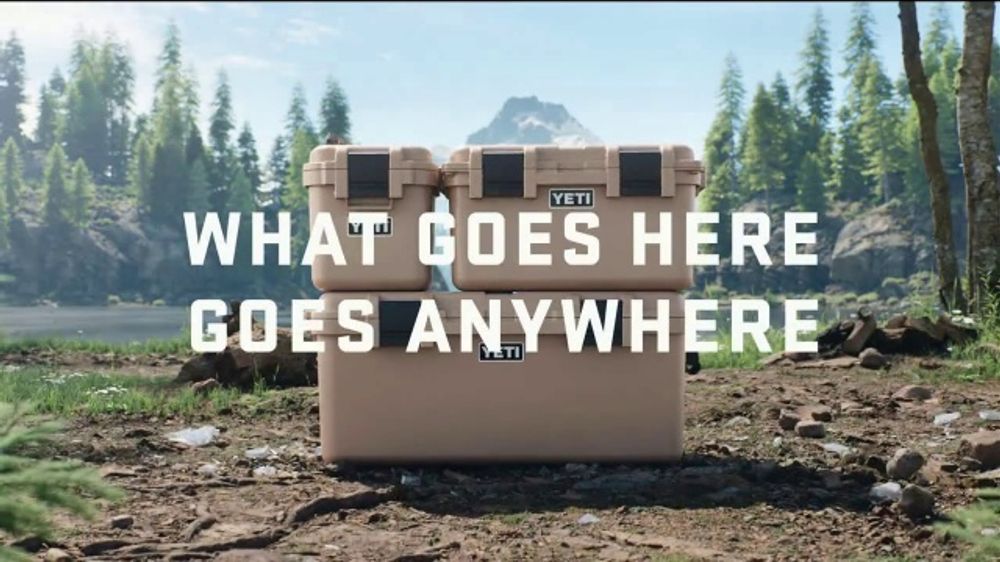
    Yeti has successfully entered the rodeo space by aligning with lifestyle rather than leading with product. Their campaigns often feature real ranchers, rodeo competitors, and outdoor enthusiasts who use their gear daily. It’s a subtle but smart strategy—rather than pushing a product, they show how it fits into the Western way of life. Whether through a branded tumbler at NFR or a rider highlight reel, their messaging feels earned, and I am definitely impressed!

    YETI Coolers GoBox Collection TV Spot, 'Goes Anywhere' - iSpot.tv

    Ariat: Blending Performance with Style
    Ariat strikes a strong balance between high-performance gear and fashion-forward Western wear. I’ve always enjoyed Ariat and the influencers that the choose to work with. Their marketing is tailored to different rodeo demographics—youth, women, pros—and it feels intentional. Collaborations with top athletes and campaigns centered on innovation and style show they’re not just trying to sell boots—they’re supporting the people who wear them in and out of the arena.

    Ariat Ad Campaign – Teton River Idaho Temple

    CINCH Jeans: Built for the Arena and the Audience
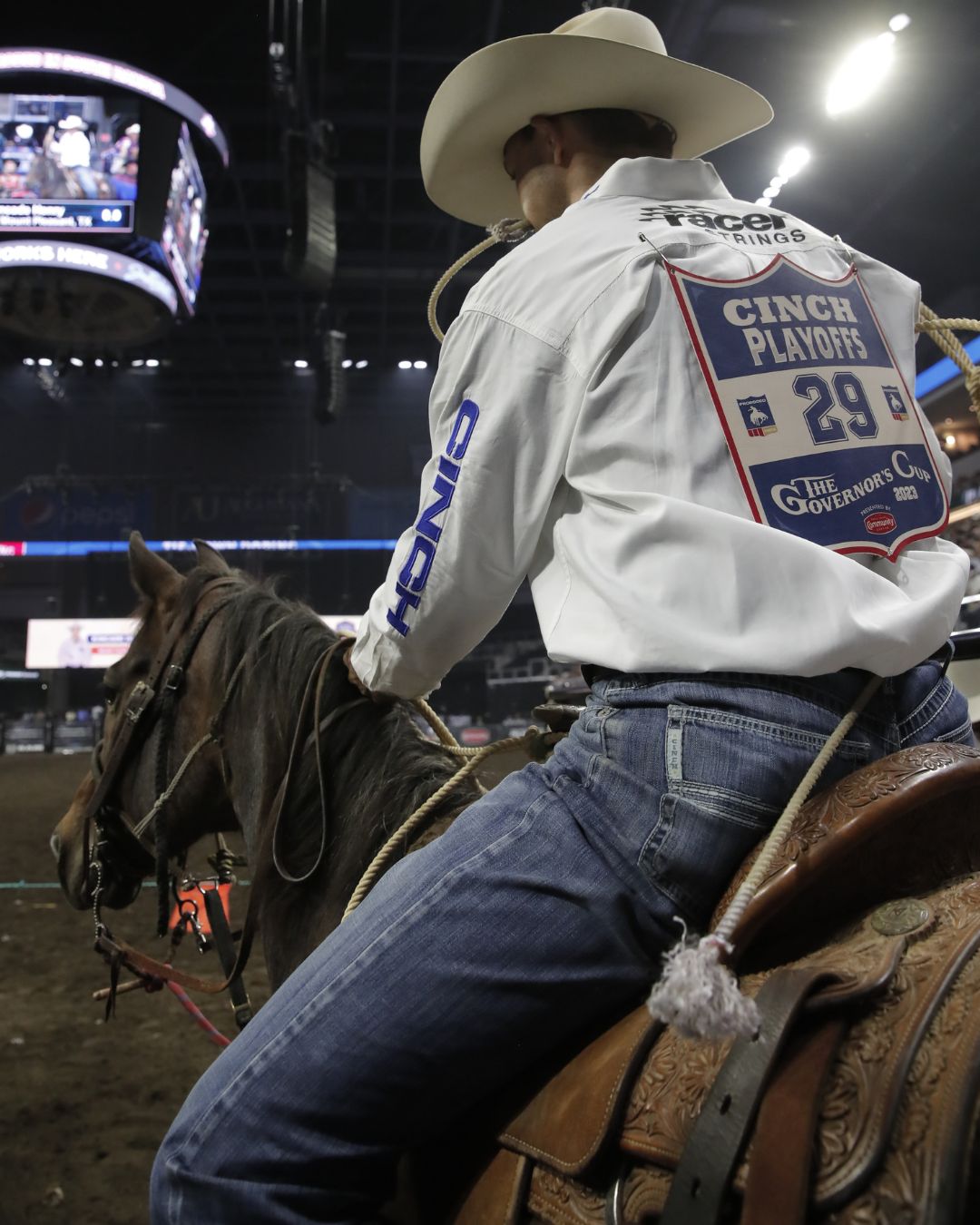
    I’ve known that CINCH is a legacy brand in the Western world, but it’s stayed relevant through smart branding and athlete partnerships. I learned a lot about their messaging and how it consistently centers on durability, performance, and authenticity. CINCH sponsors top PRCA athletes and leans into visual storytelling—whether it’s showcasing someone climbing into a chute or walking into a county fair. It is very interesting. Their social content is clean, action-focused, and rooted in real experiences.

    Where they really succeed is in keeping their branding consistent across platforms, for example through print ads, website, and social channels all feel like the same voice. It is overall super impactful.

    Dress Like The Pros And Feel Like A Champ With Cinch - Cowboys and Indians Magazine

    Where Brands Miss the Mark:

    Oversimplified Stereotypes
    Throughout my research I noticed that throwing a cowboy hat into a photoshoot doesn’t make a campaign authentic. Or necessarily appeal to western audiences. Some brands treat Western marketing like a costume party, like focusing on aesthetics without engaging with the actual community. Rodeo fans and athletes are quick to recognize when something lacks depth or intention.

    Strategic Messaging
    One thing I’ve really noticed is that not every rodeo fan is the same. What works for someone in Texas might not connect at all with someone in Oregon. For example, a breakaway roper competing at a pro level is probably looking for different content than a high school athlete just getting started. That’s why I think the best marketing in rodeo really understands those differences and speaks to each group in a way that feels personal. As someone who grew up around sports and cares about the stories behind the athletes, I’m always more drawn to content that feels real and relatable.

    Key Takeaways: What Works for Western Audiences

    • Show real people. The best content comes from the athletes and fans living the lifestyle.
    • Think beyond the product. Focus on the values your brand shares with the overall community.
    • Embrace tradition, but stay relevant. A respect for heritage doesn’t mean avoiding innovation.
    • Segment intentionally. Tailor your message for different audiences including age, gender, discipline.

    Final Thoughts

    Looking back, I’ve realized how deeply rooted the rodeo community is in loyalty, values, and connection. The brands that truly succeed aren’t just promoting products—they’re showing up, supporting, and respecting the people behind the sport.

    What really stuck with me is that the best marketing in this space comes from shared values and real experiences. Learning about these strategies gave me a deeper appreciation for the Western world and what it means to connect with that audience in an authentic way!

  • Scrollin’ Through the Chutes: The Evolution of NFR’s Social Media Coverage

    Rodeo, Rebranded

    The National Finals Rodeo (NFR) has always been the Super Bowl of the rodeo world. But let’s be real—10 years ago, unless you were parked in front of the TV (or lucky enough to be in Vegas), you weren’t getting the full experience. Fast-forward to today, and the NFR isn’t just on screen—it’s on your phone, in your feed, and maybe even on your FYP if you’re a big fan.

    Over the years, social media has completely transformed how fans experience the NFR, and it’s been so fun to watch (and scroll along with).

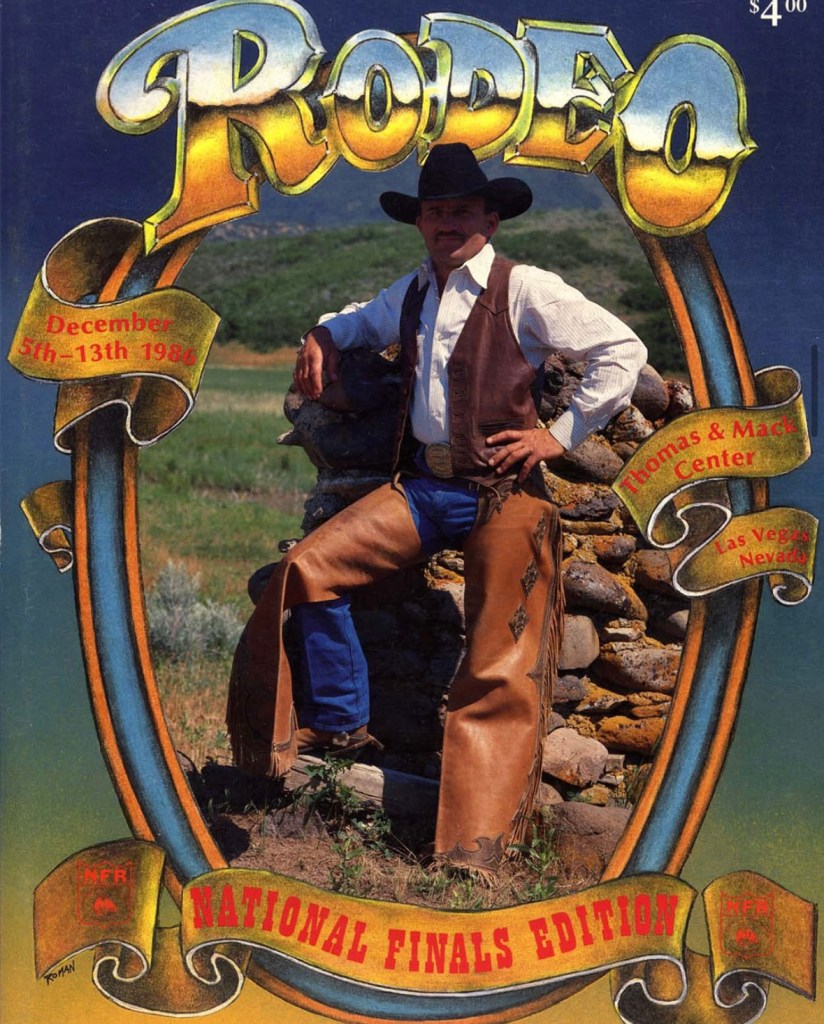
    The old NFR posters had a classic, vintage feel—often showcasing bold typography, dramatic rodeo scenes, and traditional Western art styles. They were designed more for collectors and event promotion than digital engagement. While iconic in their own way, they represented a time when rodeo marketing was more static and print-based, before the shift to real-time storytelling and interactive media.

    From Highlights to Hashtags

    The NFR’s online presence has gone from basic updates to full-on digital storytelling. We’re talking real-time clips, athlete interviews, behind-the-scenes content, and fans sharing their own experiences across platforms.

    Here’s how NFR’s social media game has evolved:

    • Live Instagram and TikTok updates during each round
    • Reels + slow-mo rides with trending audio
    • Athlete fits, prep routines, and mic’d up moments
    • Fan interactions + community shoutouts

    The vibe now is more personal, polished, and playful—and honestly, more fun.

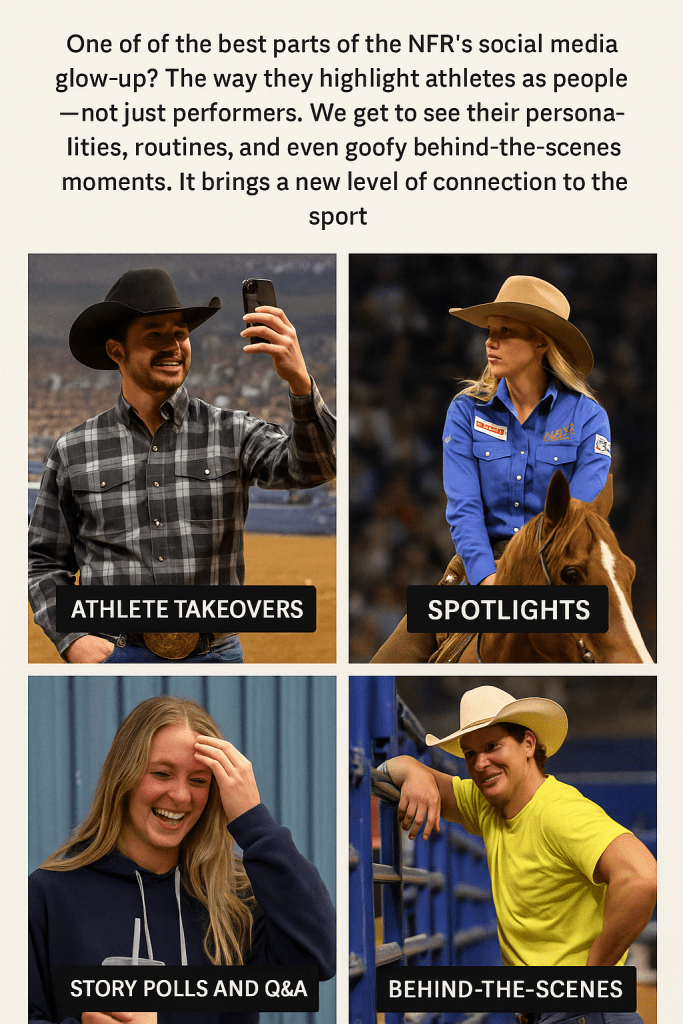
    One of the best parts of the NFR’s social media glow-up? The way they highlight athletes as people—not just performers. We get to see their personalities, routines, and even goofy behind-the-scenes moments. It brings a new level of connection to the sport.

    Social strategies:

    • Athlete takeovers where competitors post their own content for the day
    • Story polls and Q&As that make fans feel involved
    • Spotlights on rookies and legends alike
    • Highlight reels with captions, stats, and style

    The PRCA’s media team—and The Cowboy Channel—have made it easier than ever for fans to follow, favorite, and feel part of the rodeo world.

    The NFR as a Western Influencer Hotspot

    Beyond the arena, the NFR has also become a major moment for Western influencers—especially women—to showcase their style, build their personal brands, and connect with followers. From daily outfit inspiration to behind-the-scenes content, social media during NFR week is packed with fashion hauls, meetups, and brand collabs. For many, it’s not just a rodeo—it’s the biggest Western influencer event of the year. Which I very much enjoy!

    Why It Matters

    The glow-up isn’t just cool—it’s clever, calculated, and culturally relevant. Social media coverage has helped the NFR:

    • Reach younger fans who live on their phones
    • Create a year-round presence, not just during NFR week
    • Open up partnerships and sponsor opportunities
    • Preserve the culture of rodeo while making it more accessible

    And for those of us who grew up loving rodeo or just recently got into it, it’s been awesome to feel like we’re part of the action—even from miles away.

    Final Ride

    The NFR’s evolution on social media shows that rodeo isn’t stuck in the past—it’s charging confidently into the digital frontier. From dusty chutes to dynamic feeds, the way we engage with the sport is changing—and honestly? It’s a ride worth watching.

    https://www.nfrexperience.com/

    https://www.instagram.com/LasVegasNFR/

  • Roping in the Digital Age: The Cowboy Channel’s Impact on PRCA’s Digital Frontier

    The Future of Rodeo Is Now

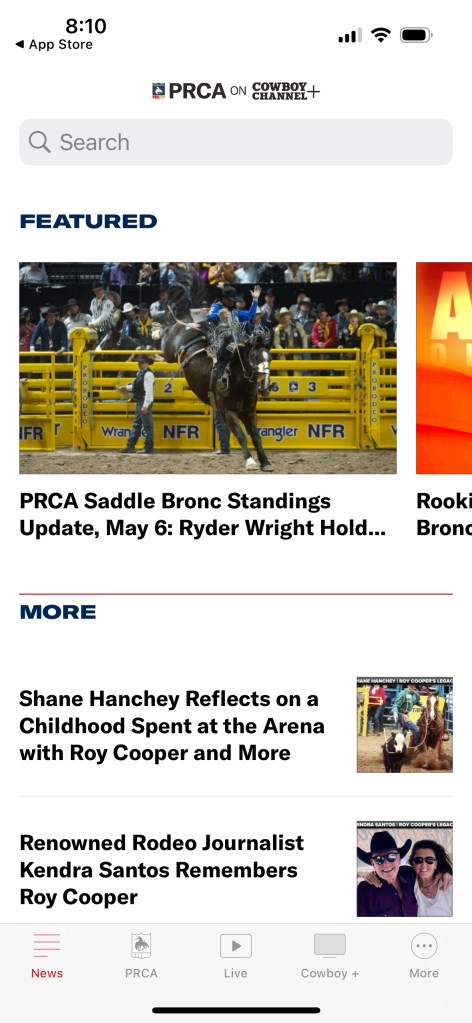
    If you’ve ever stayed up late watching the National Finals Rodeo or caught yourself deep in a rabbit hole of barrel racing clips on TikTok, chances are you’ve experienced The Cowboy Channel effect. Since teaming up with the Professional Rodeo Cowboys Association (PRCA), The Cowboy Channel hasn’t just aired rodeo—it’s helped reshape how the sport lives online.

    This partnership has brought rodeo into a whole new digital frontier, giving longtime fans and brand-new viewers a front-row seat to all the action, no matter where they are.

    Rodeo, Reimagined for the Digital Age

    Before this collaboration, most PRCA content was limited to live events, reruns, or word-of-mouth. Now Rodeo content is just a few taps away available on phones, smart TVs, and social feeds.

    Here’s how The Cowboy Channel has changed the game:

    • Live-streaming rodeos through The Cowboy Channel+ app
    • On-demand content for fans to catch events on their own schedule
    • Athlete features that tell the story behind the stats
    • Increased access for younger, tech-savvy audiences

    Social Media, but Make It Western

    Let’s talk about social. Whether it’s behind-the-scenes reels, slow-motion recaps, or athlete Q&As, The Cowboy Channel has helped PRCA level up across platforms like Instagram, TikTok, and Facebook. It’s giving rodeo the kind of spotlight it’s always deserved.

    A few standout strategies:

    • Athlete takeovers that bring fans along for the ride
    • Cross-promotion between @prca_prorodeo and @cowboychannel
    • High-quality content that captures the grit and glamor of the sport
    • Consistent storytelling that keeps fans coming back

    Honoring Tradition While Embracing Innovation

    One thing I love about this shift is how it balances tradition and tech. Rodeo will always be about grit, community, and heritage—but that doesn’t mean it can’t thrive in today’s digital landscape.

    The Cowboy Channel has helped PRCA:

    • Stay connected with longtime fans
    • Build a modern platform without losing its Western roots
    • Reach brand-new audiences

    Wrapping It Up

    So, what’s the real impact? The Cowboy Channel didn’t just give PRCA airtime—it gave it a whole digital identity. From streaming to storytelling, it’s helped rodeo make a name for itself in the modern media world. And honestly, it’s only getting better from here.

    One of the best parts of the NFR’s social media glow-up? The way they highlight athletes as people—not just performers and athletes . We get to see their personalities, routines, and even goofy behind-the-scenes moments. It brings a new level of connection to the sport.

    Social strategies:

    • Athlete takeovers where competitors post their own content for the day
    • Story polls and Q&As that make fans feel involved
    • Spotlights on rookies and legends alike
    • Highlight reels with captions and statistics

    The PRCA’s media team—and The Cowboy Channel—have made it easy for fans to follow, share, and obsess over rodeo from anywhere.

    https://www.prorodeo.com/

    https://www.cowboychannel

  • Beyond the Buckle: How PRCA Athletes Use Social Media to Build Personal Brands

    Rodeo today is about more than just what happens inside the arena. While the thrill of the eight-second ride and the chase for championship buckles are still front and center, many Professional Rodeo Cowboys Association (PRCA) athletes are expanding their presence far beyond the sport itself. Social media has become a major part of that evolution. Platforms like Instagram, TikTok, and YouTube give athletes the opportunity to build their fan base, share their lives, and form strong brand partnerships that elevate their careers both in and out of the arena. and personally, I love it!

    The athletes who do this well are the ones who are authentic. Fans want more than highlight reels — they want to see the early mornings, the long drives, the daily grind, and even the tough moments. When athletes share both the wins and everything it took to get there, it creates a much stronger connection.

    I’ve always been around sports, but what really made rodeo stand out to me was seeing how PRCA athletes share their lives online. Scrolling through their Instagrams and getting a behind-the-scenes look at their routines, travel, and everyday moments made the sport feel more personal and compelling. It pulled me in and got me interested in how these athletes are using social media to build strong, relatable personal brands. Here are a few of my favorites to follow:

    Shad Mayfield (@themoneymayfield

    Shad Mayfield, also known as “MoneyMayfield” has over 140,000 followers, and his content is a great mix of training, competition, and personal life. His posts feel focused and real which makes it easy for fans to feel connected to his journey. I especially like watching his roping drills and workouts. You can tell how much work goes into what he does, and it’s motivating to see that kind of dedication. It definitely inspires fans.

    Hailey Kinsel (@haileykinsel)

    Hailey Kinsel has a strong presence online with over 285,000 followers. Her content shows both her life in the arena and her everyday moments, and it’s always clear how important her horse Sister is to her. I’ve always admired confident, driven athletes, and Hailey shows that through her consistency and focus. She doesn’t overdo it — she just stays true to who she is, and that stands out. She is also super fun on TikTok, she is always using trending sounds and video ideas!

    Rocker Steiner (@rocker_steiner)

    Honestly, Rocker is definitely my favorite to follow. He’s 21 — same age as me — and reminds me of some of the guys from my high school friend group. There’s just something funny and cool about watching someone like that now living this big, rodeo-star life with so much talent and attention online.

    His content is always bold and unpredictable. One day it’s an insane bareback ride, the next it’s just him being goofy or showing off a random part of his day. He doesn’t hold back or try to act perfect, and I think that’s what makes his brand so strong. He’s totally himself online, and you can tell he actually enjoys posting and interacting with fans. His feed stands out because it’s not just rodeo — it’s his whole personality. Overall, super relatable to the younger audiences.

    What all of these athletes have in common is that they’re telling their own stories. They’re not just posting for work, but they’re showing people what life in rodeo really looks like. That kind of storytelling helps build emotional connections and loyal followings. It also makes brand partnerships — with companies like Wrangler, YETI, and Resistol — feel natural and authentic.

    Their engagement matters too. When athletes reply to comments, share fan posts, or open up in Q&As, it shows they care about building community, not just a following. It helps build lifelong connections and fandoms.

    In a sport that doesn’t always get constant media attention, social media gives PRCA athletes the space to take control of their own narratives and connect with a much wider audience.

  • How the PRCA Keeps Rodeo Relevant: A Look at Their Social Media Strategy

    Growing up around sports and developing a passion for the rodeo world, I’ve always been curious about how this tradition-filled sport connects with fans beyond the arena. Rodeo has such deep roots, but we’re living in a time where social media plays a huge role in how audiences engage with the things they care about.

    That curiosity led me to take a closer look at how the Professional Rodeo Cowboys Association (PRCA) uses platforms like Instagram, TikTok, and Facebook to promote the sport and reach different audiences. I wanted to understand how the PRCA balances honoring rodeo’s history while keeping their content fresh and engaging in today’s fast-paced digital space. Let’s dive in!

    Instagram: Highlighting the Action and the Athletes

    Instagram is all about visual storytelling using photos, and the PRCA does a great job of using this platform to bring the excitement of rodeo to life. They focus on action shots, creative reels, and stories that showcase top rides, highlight athletes, and capture the high-energy moments that make rodeo so engaging.

    They have different features including “Top 5 Rides of the Weekend” or “Athlete of the Month” help fans feel connected to the competitors—not just the sport itself. Instagram Stories also offer behind-the-scenes content, countdowns to events, and athlete takeovers, which make the experience feel personal and interactive.

    https://www.instagram.com/prca_prorodeo/

    TikTok: Playful, Trendy, and Authentic

    On TikTok, the PRCA takes a much more fun and relaxed approach. This is where I noticed them tapping into trending sounds, funny clips, and rider POV videos. The content feels less polished—which actually works really well on this platform. They are really good with choosing popular trends in order to get more views and create fan engagement.

    TikTok gives the PRCA space to let the athletes’ personalities shine and makes rodeo feel approachable, especially for younger audiences like Gen Z. It’s not just about promoting events, but also about creating content that feels relatable and authentic.

    Facebook: Tradition and Community Connection

    Facebook seems to be where the PRCA focuses on community-building and event promotion. They share rodeo news, livestreams, long-form updates, and local event coverage. I noticed a lot of engagement in the comments and through shared posts—fans actively interacting and staying connected.

    This platform feels more geared toward long-time, loyal fans and older audiences who appreciate staying informed and involved with the sport.

    https://www.facebook.com/PRCAProRodeo/

    Why This Matters to Me

    Through this research, I realized how important it is to truly understand your audience and tailor your message for each platform. The PRCA isn’t just copying and pasting the same content everywhere—they’re thinking about what their audience wants to see and how they want to engage using different platforms and trends.

    It’s a great example of how thoughtful, targeted content can help grow a sport’s reach while still honoring its roots. As someone working toward a career in sports PR, this is the kind of strategy I hope to apply in my own work, which includes finding the balance between tradition and innovation.

  • Cowboys for Conservation: How “Tough Enough to Wear Pink” Brings Awareness to Breast Cancer Through Rodeo

    In professional rodeo, tradition and toughness are a key component but it’s also a community that comes together for important causes. One example of this is the “Tough Enough to Wear Pink” campaign, a nonprofit initiative under Cowboys for Conservation that has helped bring breast cancer awareness into the spotlight of western sports.

    The campaign was launched in 2004 by breast cancer survivor Terry Wheatley, who asked one powerful question: “Are you tough enough to wear pink?” The goal was to encourage cowboys—symbols of strength and grit—to wear pink at PRCA-sanctioned rodeos in support of breast cancer awareness. What started as a bold statement has since grown into a national movement, raising over $40 million for breast cancer charities across the U.S. and Canada. Which is super impressive!

    https://toughenoughtowearpink.com/

    At the heart of Tough Enough to Wear Pink is their mission: using the influence of rodeo to promote breast cancer awareness, early detection, and treatment, especially in rural communities where healthcare access can be limited. Also where rodeo seems to be the most popular. The organization focuses on community outreach, fundraising events, and partnerships with local rodeos, health centers, and hospitals to bring care directly to the people who need it most. They also emphasize emotional support and education for patients, families, and caregivers.

    What makes this campaign so effective is how it meets rural communities exactly where they are. Rodeo is a huge part of their lifestyle and traditions By tying awareness efforts to these beloved events, Tough Enough to Wear Pink makes the cause feel personal and accessible. Many local rodeos across the country host special “Pink Nights,” where fans, athletes, and staff are encouraged to wear pink, and portions of ticket sales or auctions go directly toward breast cancer support efforts. These events often include fundraising raffles, merchandise sales, and special tributes to survivors, making the message both visible and impactful at the community level.

    For example, I’m from Oregon and the St. Paul Rodeo hosts an annual “Tough Enough to Wear Pink Night,” where the arena is filled with pink shirts, banners, and special presentations honoring those impacted by breast cancer. A portion of the event’s proceeds is donated to local breast cancer organizations, showing how even smaller, community-based rodeos play a meaningful role in supporting the cause.

    This campaign as a great example of cause marketing done right. It’s a mix of emotional storytelling, strategic partnerships, and genuine community engagement. Tough Enough to Wear Pink doesn’t just bring pink to the rodeo—it brings purpose to the community and events. Creating a true powerful connection.

    https://toughenoughtowearpink.com/

    https://www.stpaulrodeo.com/

  • Exploring PR Through the Lens of Sports and Rodeo

    Welcome to my blog! I am excited explore the ever-evolving world of public relations and sports communication, with a particular focus on the Professional Rodeo Cowboys Association (PRCA) and other organizations that are leveraging digital media to elevate their brands. As a Public Relations and Sports Business student at the University of Oregon, this blog reflects my academic journey, my lifelong passion for sports, and my growing interest in strategic communication.

    Sports have always been a huge part of my life. I grew up playing lots of sports including volleyball, softball, and golf, and spent countless hours watching and attending games with my family and friends. My dad was always the one with the TV on, watching every sport imaginable, and his love for competition and the stories behind the games rubbed off on me. Through these experiences I developed a deeper interest in the stories behind the sport—the narratives crafted by public relations professionals to engage audiences. As well as the business behind it.There’s a raw intensity in rodeo that’s unlike any other sport. The mix of tradition, skill, and determination really caught my attention, and I became fascinated with how public relations plays such a crucial role in conveying that energy to the audience. Rodeo is deeply rooted in history, but it’s also evolving rapidly, especially through digital media, which makes it even more exciting for me to explore.

    PRCA has effectively captured the attention of a younger audience through their strategies. At the same time, they’ve ensured that older, more traditional fans remain engaged by offering a mix of content, from live event coverage on television to updates through newsletters and social media apps. The PRCA continues to emphasize the culture and history of rodeo, showcasing classic moments that resonate with long-time fans.

    What to Expect
    This blog is designed to offer insights and reflections for a variety of readers—public relations professionals seeking fresh perspectives, rodeo fans curious about the behind-the-scenes communication efforts, and students of communication interested in real-world sports applications of public relations theory.

    In future posts, I will explore how sports organizations foster brand loyalty through compelling content, examine how the PRCA utilizes platforms like Instagram and YouTube to expand its reach, and share actionable strategies for effective digital communication. I’ll dive into the strategies that are reshaping the way rodeo and other niche sports organizations communicate with their communities. I’m excited to share my findings, discuss challenges, and offer insights into how PR can drive change in both traditional and modern sports.


    Source:

    https://www.prorodeo.com/news